
Newsletter
Newsletter
Rapid Response Report
Monthly Industry News for EMS Professionals
Texas Mobilizes Emergency Resources As New Flood Threat Builds
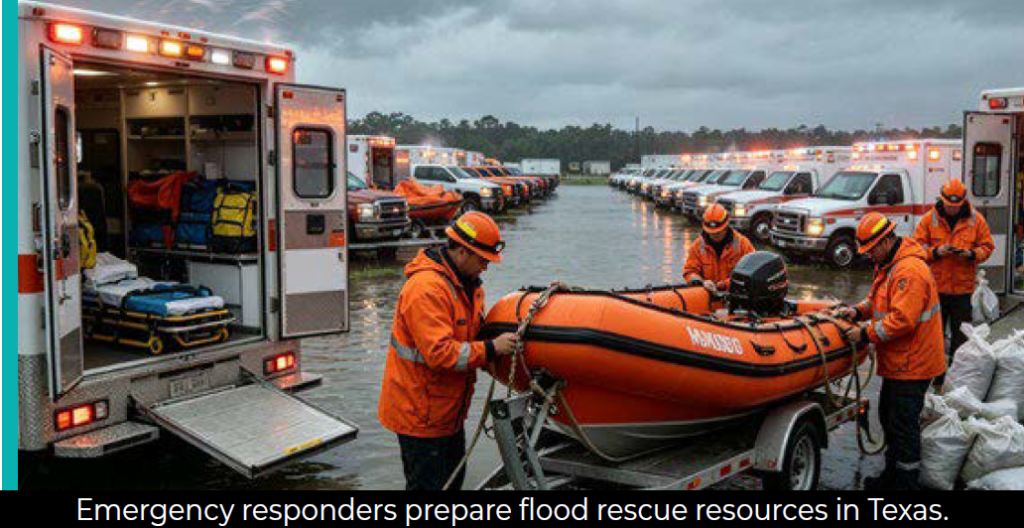
TEXAS — Texas is again preparing for potentially dangerous flooding as state leaders mobilize emergency personnel and specialized rescue resources ahead of several rounds of severe weather.
Governor Greg Abbott activated state emergency response assets as forecasts warned of heavy rainfall and flash flooding across portions of Central, West, East, and Southeast Texas. Resources placed on standby include Texas A&M Task Force 1, Texas Task Force 2, rescue boats, Texas National Guard personnel, Black Hawk helicopters, and additional public safety teams.
For EMS agencies and first responders, early deployment decisions can make a critical difference when rapidly rising water isolates communities, overwhelms roadways, and creates multiple simultaneous rescue operations. The activation demonstrates the increasing importance of coordinated disaster preparedness among EMS agencies, fire departments, law enforcement, emergency management teams, and state resources.
With Texas continuing to face major weather-related emergencies, the latest mobilization is another reminder that readiness begins long before the first 911 call is received.
TEXAS FIRST RESPONDERS RESCUE WOMAN TRAPPED FOR DAYS IN EXTREME HEAT
A challenging rescue operation involving Dallas Police and Dallas Fire-Rescue successfully brought a woman to safety after she reportedly spent several days trapped in a ravine during extreme Texas heat.
The rescue began after a passerby heard cries for help and alerted authorities. First responders navigated approximately a quarter-mile of difficult terrain to reach the patient. Conditions were made more dangerous by temperatures reaching approximately 104 degrees and the presence of mud and sewage in the ravine.
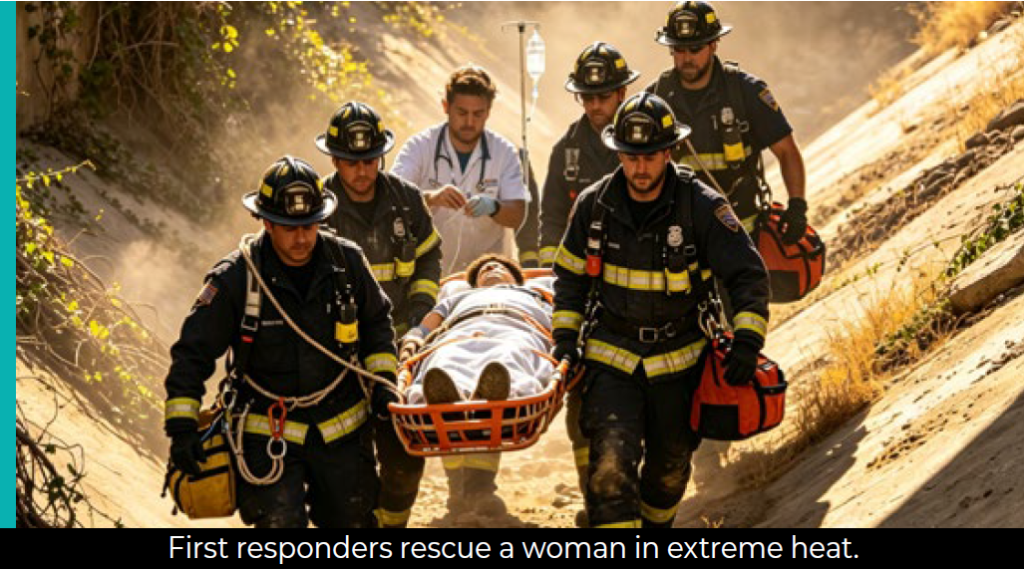
After reaching the woman, rescuers carefully extracted her from the area and transported her to a hospital suffering from severe dehydration, prolonged sun exposure, and other injuries. The incident highlights the physical demands placed on emergency personnel during technical rescue operations. Extreme temperatures, difficult terrain, limited access, and prolonged operations can quickly create additional risks for both patients and responders.
The successful rescue also demonstrates the value of coordinated operations between law enforcement, fire-rescue personnel, EMS crews, and members of the public who recognize an emergency and immediately call for help.
OFF-DUTY TEXAS FIREFIGHTERMEDIC SAVES THREE CHILDREN AFTER BOAT CAPSIZES
An off-duty firefighter and medic turned a Fourth of July boating trip into a dramatic rescue operation after three children became trapped beneath a capsized boat. Midlothian firefighter-medic Jason Horne was spending the holiday on the water with his daughter when he learned that a nearby boat carrying nine people had overturned.
Three children remained trapped underneath. Horne entered the water and began searching beneath the vessel.
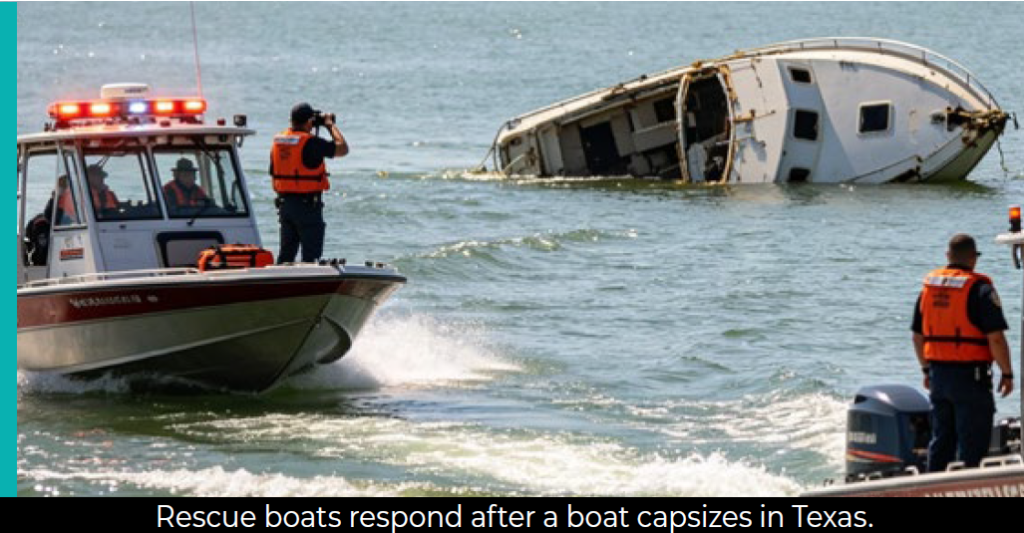
He rescued the children one at a time, including two who were reportedly unresponsive. CPR and immediate lifesaving interventions were performed before additional emergency personnel transported the children for medical evaluation.
All three survived. The rescue demonstrates one of the defining realities of emergency medicine: EMS professionals are never completely separated from their training.
Whether on duty or off duty, the ability to rapidly assess a dangerous situation, prioritize patients, perform lifesaving interventions, and remain calm under pressure can determine whether an emergency becomes a tragedy or a story of survival.
FEDERAL REGULATORS WARN DRIVERLESS VEHICLES MUST STOP INTERFERING WITH EMERGENCY RESPONDERS
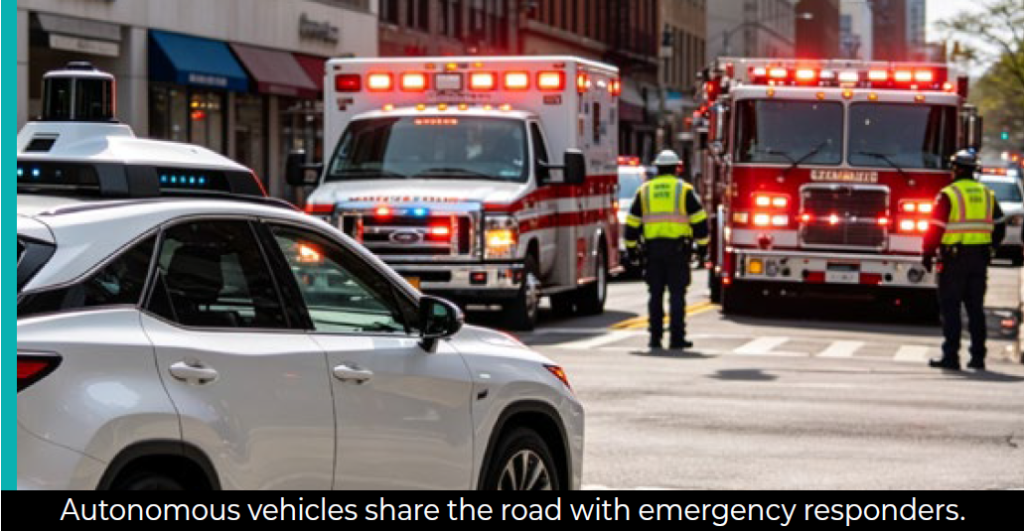
The rapid expansion of autonomous vehicles is creating a new operational challenge for EMS agencies and fire departments.
The National Highway Traffic Safety Administration has warned autonomous vehicle developers about incidents in which driverless vehicles reportedly entered active emergency scenes, blocked ambulances and fire apparatus, and failed to appropriately recognize emergency lights, traffic cones, flares, smoke, and other critical scene indicators. Federal officials are calling on autonomous vehicle companies to improve how their systems recognize and respond to emergency operations.
The issue has become increasingly important as robotaxi services expand into additional American cities. Emergency scenes are unpredictable environments. Ambulances may need to travel against normal traffic patterns. Fire apparatus may unexpectedly block intersections. Responders may manually redirect vehicles around hazardous areas.
Autonomous vehicles must be capable of recognizing these situations and responding safely. For EMS leaders, the issue also raises an important operational question: How should emergency agencies communicate with autonomous vehicles operating within their response areas?
As transportation technology evolves, collaboration between
EMS agencies, fire departments, transportation regulators, and autonomous vehicle developers will become increasingly important.
NATIONAL EMS MEMORIAL WEEKEND TO HONOR 37 FALLEN EMS PROFESSIONALS
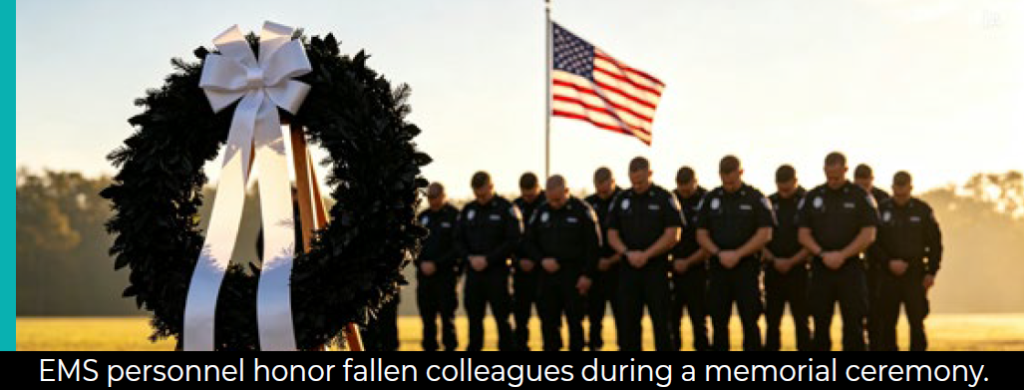
Families, colleagues, and members of the emergency medical services community will gather July 17–19 for the 2026 National EMS Memorial Weekend of Honor, an annual event dedicated to recognizing EMS professionals who made the ultimate sacrifice in the line of duty.
This year’s ceremony will honor 37 EMTs, paramedics, flight clinicians, and other EMS professionals whose commitment to serving others cost them their lives. The weekend serves as both a tribute to their service and a time of reflection for the families, agencies, and communities they leave behind.
The Memorial Weekend includes remembrance ceremonies, moments of reflection, and opportunities for loved ones and fellow responders to celebrate the lives and legacies of those being honored. For many families, the event offers a chance to stand alongside others who understand the unique sacrifices that come with a career in emergency medical services.
The event also highlights the many hazards EMS professionals face every day. From high-speed vehicle crashes and dangerous roadside incidents to violence against first responders, infectious disease exposure, and the physical and emotional demands of emergency care, EMS personnel routinely place themselves in harm’s way to help others during their most critical moments.
Behind every name added to the National EMS Memorial is a story of dedication, compassion, and selfless service. Each represents not only an individual who answered the call to help others, but also a family forever changed, coworkers who continue the mission, and a community that benefited from their commitment. As the EMS community gathers this weekend, the ceremonies serve as a lasting reminder that the sacrifices of these fallen professionals and the vital role EMS personnel play every daywill not be forgotten.