Skip to main content
StaffDash
Our Services
Travel Paramedics
Emergency Rooms Staffing
EMS Staffing
MICU/ALS Ambulance Staffing
BLS Ambulance Staffing
Event Staffing
Onsite Staffing Management
On-Site Medics Staffing
Clinicians Staffing
Non-Clinicians Staffing
Medical Staff
Remote U.S. Licensed RNs
See More +
Employer
Employee
Saver
Opportunities
Learn
About Us
Resources
Blogs
Newsletter
March 2026
April 2026
May 2026
June 2026
July 2026
August 2026
September 2026
My Account
Contact Us
Our Services
Travel Paramedics
Emergency Rooms Staffing
EMS Staffing
MICU/ALS Ambulance Staffing
BLS Ambulance Staffing
Event Staffing
Onsite Staffing Management
On-Site Medics Staffing
Clinicians Staffing
Non-Clinicians Staffing
Medical Staff
Remote U.S. Licensed RNs
See More +
Employer
Employee
Saver
Opportunities
Learn
About Us
Resources
Blogs
Newsletter
March 2026
April 2026
May 2026
June 2026
July 2026
August 2026
September 2026
My Account
Contact Us
Blog
Newsletter
Nurse Practitioner Staffing for Specialty Clinics: How Practices Cover Leave and Appointment Backlogs Without Blurring Scope
Medical Laboratory Technician Staffing: How Hospitals Cover Bench Gaps Without Confusing Headcount With Readiness
Healthcare HR Staffing: How Hospitals Add Recruiting and Onboarding Capacity During Hiring Surges
Medical Transcription Staffing: When Documentation Volume Outgrows the Available Support Team
Medical Records Staffing: How Hospitals Stabilize Health Information Management (HIM)Backlogs During Leave, Migration, and Volume Spikes
Medical Receptionist Staffing: How Clinics Define Front Desk Coverage Before the Rush Starts
Medical Billing Staffing for Claims Backlogs: How Revenue Cycle Teams Add Capacity Without Losing Workflow Control.
Medical Coding Staffing for Backlogs: How Hospitals Add Coding Capacity Without Creating More Rework
Healthcare Staffing Vendor Governance: How Hospitals Manage Multiple Agency Partners Without Losing Control
Healthcare Staffing Interview Scorecard: How Hospitals Compare Candidates Consistently Before Placement
Hospital Vacancy Backfill Prioritization: Which Open Roles Need Coverage First?
Hospital Staffing Contingency Plan: How Healthcare Leaders Prepare for Call Outs, Demand Surges, and Coverage Disruptions
Hospital Staffing Services: When External Coverage Makes Operational Sense
Emergency Room Staffing Models: How Hospitals Match Coverage to Patient Volume and Acuity
Choosing a Medical Staffing Partner in Houston: A Practical Checklist for Healthcare Facilities
Healthcare IT Staffing: How Hospitals Fill EHR, Clinical Systems, and Health Technology Talent Gaps
Healthcare Staffing Solutions: How Hospitals Build Flexible Coverage Without Overloading Core Teams
CNA Agency Staffing vs Direct Hire: Which Model Fits a Hospital Coverage Gap?
Remote Nurse Health Coaching Staffing: A Caseload and Escalation Model for Chronic Disease Follow Up
Interim Healthcare Executive Staffing: How Hospitals Maintain Leadership Continuity During Vacancies
Medical Assistant Staffing for Ambulatory Clinics: Protecting Provider Capacity From Rooming Through Clinical Discharge
Heat Stress Medical Coverage for Outdoor Worksites: When Onsite Medics Are Needed
Onsite Staffing Escalation Matrix: Who Owns Call Outs, Credential Holds, No Shows, and Same Day Replacements?
Event Medical After Action Review: A Scorecard for Staffing, Response, Transport, and Next Event Planning
Demand-Based EMS Staffing: How to Match Ambulance Unit-Hours to Peak Call Volume Without Building the Schedule Around Overtime
Emergency Department Observation Unit Staffing: How to Protect ED Capacity When Patients Remain Beyond the Initial Emergency Visit
Travel Paramedic Staffing Contract Review: When to Renew, Convert, Replace, or Close an Assignment
Remote RN Interfacility Transfer Coordination: A Queue Ownership Matrix for Referral, Records, Escalation, and Handoff
Vaccination Campaign Staffing Matrix: Who Covers Administration, Observation, Data, Inventory, and Emergency Readiness?
Hospital CNA (Certified Nursing Assistant) Staffing Readiness: A Unit-Ready Coverage Matrix for High-Need Units
Clinical Pharmacist Coverage Readiness: A Shift-Ready Backfill Plan for Hospital Leave and Vacancies.
EHR Go Live Workforce Readiness Matrix: How Hospitals Protect Clinical Coverage During Training, Cutover, and Stabilization
Clinical Documentation Integrity Staffing Matrix: How Hospitals Protect Concurrent Review Capacity Without Pulling Bedside Nurses Away
Remote Clinical Research RN Staffing: A Delegation Map for Trial-Site Workflows
Legal Nurse Consulting for Medical Record Review: A Triage Model for Risk and Claims Teams
Utilization Review Backlogs: When Remote U.S. Licensed RN Capacity Becomes an Operational Necessity
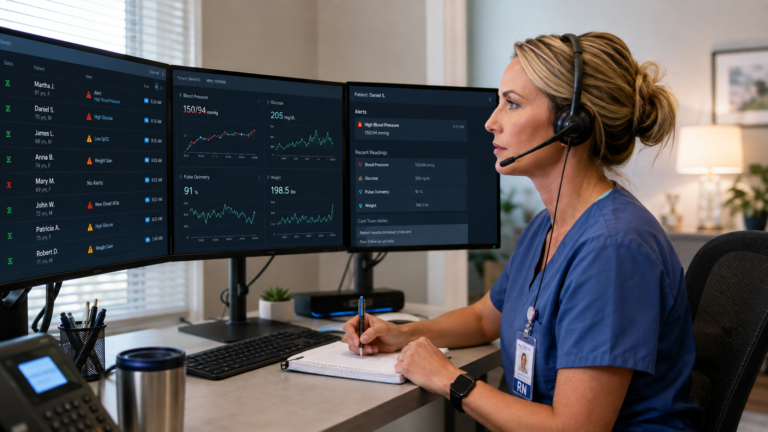
Remote Patient Monitoring Alert Management: How Remote RNs Can Turn Device Data Into Actionable Follow-Up
Clinical Social Worker Staffing: Why LCSW (Licensed Clinical Social Worker) Coverage Matters for Behavioral Health, Discharge Planning, and Care Transitions
Allied Healthcare Staffing Capacity Audit: A 14-Day Test for Imaging, Lab, Respiratory, and Sterile Processing
Rural Healthcare Staffing Contingency Drill: How Small Hospitals, Clinics, and EMS Systems Test Coverage Before a Critical Absence
Healthcare Strike Staffing Readiness: How Facilities Protect Patient Care Before a Labor Disruption
24/7 Healthcare Staffing Coverage: How to Plan Nights, Weekends, and Holidays Without Chronic Overtime
Phlebotomy Staffing Coverage Map: Hospitals, Clinics, and Mobile Routes
Clinical Pharmacist Staffing Model: How to Protect Pharmacist Time in Medication Management Programs
Travel Paramedic Jobs: What EMS Agencies Should Plan Before Coverage Gaps Hit
Travel Paramedic Contracts: What EMS Leaders Should Clarify Before the First Shift
Travel Paramedic Agencies: How to Choose the Right Staffing Partner Without Creating More Work?
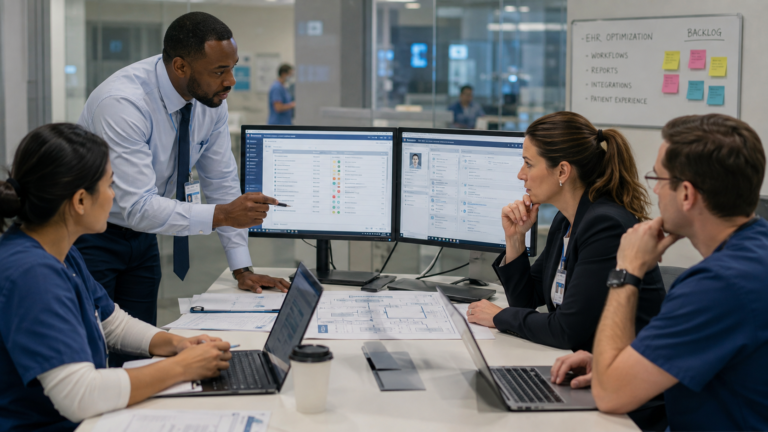
Health Informatics Staffing for EHR Optimization Backlogs: From Frontline Complaint to Governed Change
Clinical Research Nurse Staffing for Hybrid Trials: A Delegation and Escalation Framework for Remote RNs
Healthcare Staffing Trends 2026: 7 Operational Changes Hospital and EMS Leaders Should Prepare For
Healthcare Workforce Forecasting for Growth: How to Staff New Service Lines, Bed Expansion, and Planned Demand.
Healthcare Staffing ROI: The Metrics That Reveal Whether a Staffing Partner Is Actually Working
Multi-State Healthcare Staffing Compliance: What Facilities Must Verify Before Clinicians Cross State Lines
Event Medical Staffing Checklist: Plan EMS, Medics, and Nurse Coverage Before the Crowd Arrives
Prior Authorization and Utilization Review Staffing: How Remote U.S.-Licensed RNs Help Reduce Patient Delays
BLS vs ALS Ambulance: EMS Staffing Guide for Safer Coverage
Emergency Room Staffing: How to Stop ER Burnout Before It Breaks Patient Flow
Patient Access Staffing: How Front Desk, Scheduling, and Intake Teams Affect Care Before the Clinician Enters the Room
On-Site Medics for High-Risk Worksites: What Employers Should Plan Before an Emergency?
Rural EMS and Small Facility Staffing: How to Stay Covered When Local Talent Is Limited?
Healthcare Staffing Compliance Checklist: Licensure, Screening, and Placement Readiness
After-Hours Telephone Triage Staffing: How Remote RNs Protect Clinics, Patients, and Care Teams
Why Non-Clinical Healthcare Staffing Protects the Revenue Cycle?
EMS Staffing for Events: How EMS Providers Can Cover More Events Without Draining Core Crews
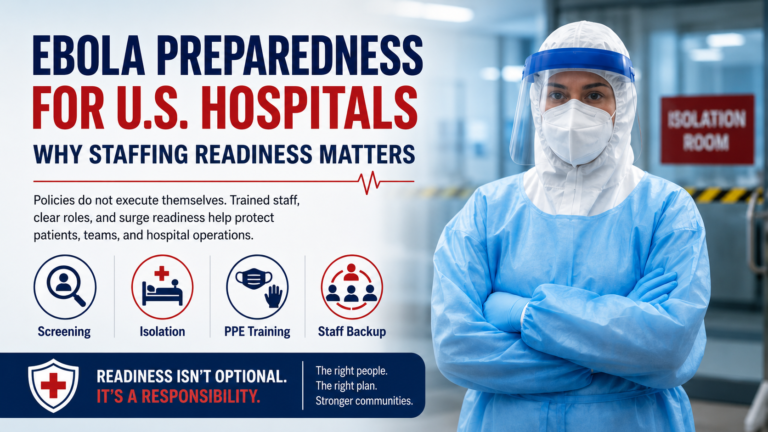
Ebola Preparedness for U.S. Hospitals: Why Staffing Readiness Matters
ER Surge Staffing Plan: How Hospitals Can Stay Ready When Patient Volume Spikes?
Healthcare Staffing Coverage Gap Audit: 7 Warning Signs Facilities Should Not Ignore
Per Diem, Temp-to-Permanent, or Permanent Placement: Which Healthcare Staffing Model Fits Your Facility?
Why ER Wait Times Are Usually a Hospital-Wide Staffing Problem, Not Just an Emergency Room Problem.
The Hidden Cost of Waiting Too Long to Fix Healthcare Staffing Gaps
Non-Clinical Healthcare Staff: The Back-Office Workforce That Keeps Patient Care Moving
How Onsite Staffing Management Helps Healthcare Facilities Move Beyond Constant Recruiting Chaos?
How to Handle the Complicated World of Ambulance Medicare Billing: Why Your Team Is Important
The Credentialing-to-Care Pipeline: Why Medical Staff Services Are the Most Important Part of Keeping Patients Safe
The Virtual Care Continuum: Getting the Most Out of Remote U.S. Licensed RNs in Clinical Settings
Raising Venue Safety Without Draining Your EMS Resources
The Clinical Continuum: How to Handle Workforce Agility in Today’s Health Systems
The Strategic Value of Specialized Medical Staffing for Clinical Readiness on Demand
Medic Staffing Solutions: How Healthcare Facilities Solve Medical Workforce Shortages
How to Handle the Complicated World of Ambulance Medicare Billing: Why Your Team Is Important
Raising Venue Safety: The Tactical Benefit of Having Medical Staff on Site
Emergency Room Staffing Companies: How Hospitals Solve ER Staffing Shortages Faster
The 2026 Strategic Framework for ER Staffing: Finding a Balance Between Acuity, Compliance, and Retention
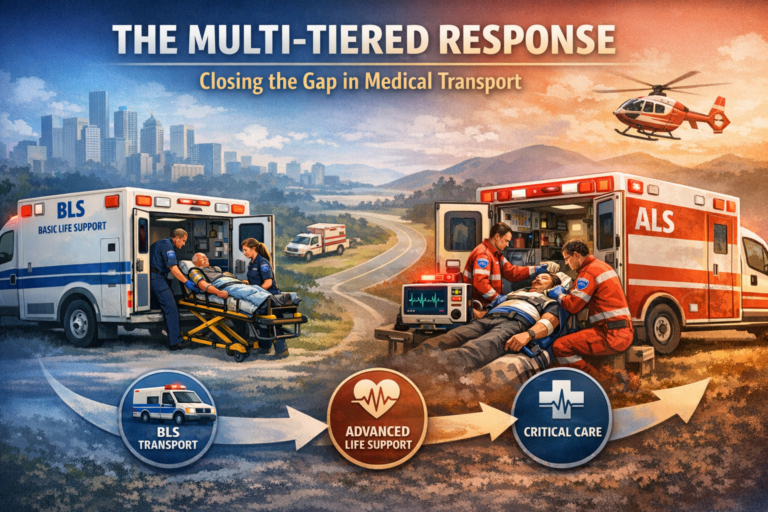
The Multi-Tiered Response: Closing the Gap in Important Medical Transport
Why Facilities That Get By on Staffing Eventually Pay More
Burnout Isn’t a Personal Failure. It’s a System Problem.
The EMS Staffing Crisis No One Warned You About, and Why It’s Getting Worse
If You’re Still Managing Shifts Manually, You’re Already Behind
Staffing Faster Isn’t About Working Harder. It’s About the System.
When One Ambulance Crew Calls Out, the System Feels It Immediately
Onsite Management Staffing Agency: Solving Medical Staffing Shortages for High Volume Staffing Needs.
Career Spotlight: Exploring Different Roles in Medical Staff
Closing the Gap: How EMT, EMS, and Paramedic Scholarships are Filling the Staffing Shortage
The Evolving Landscape of Medical Staffing: Trends and Challenges
What It Takes to Be an Effective Medical Staff Member
Nurse Practitioner Staffing for Specialty Clinics: How Practices Cover Leave and Appointment Backlogs Without Blurring Scope
Medical Laboratory Technician Staffing: How Hospitals Cover Bench Gaps Without Confusing Headcount With Readiness
Healthcare HR Staffing: How Hospitals Add Recruiting and Onboarding Capacity During Hiring Surges