
Newsletter
Newsletter
Rapid Response Report
Monthly Industry News for EMS Professionals
Preparing EMS for the 2026 FIFA World Cup in Texas
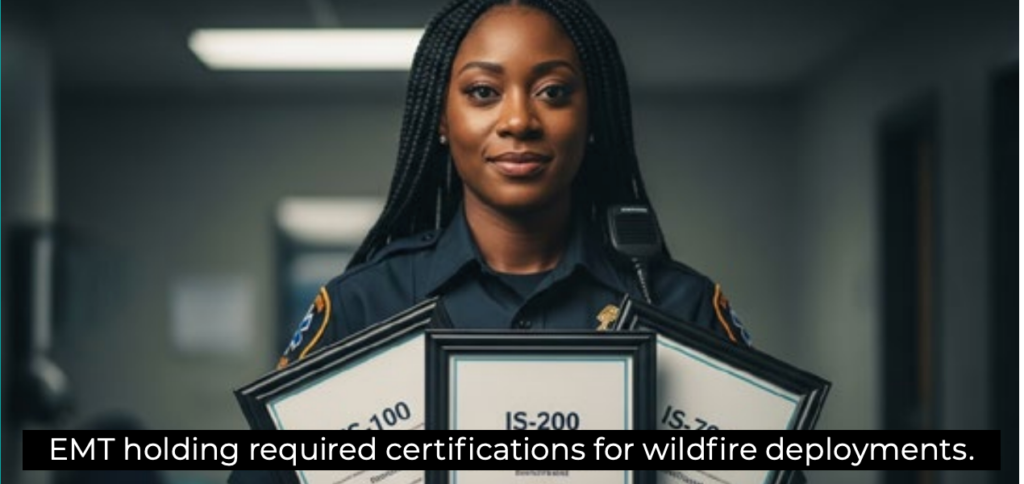
As the wildfire season gets worse, EMTs and paramedics are sent to more and more high-risk, multi-agency situations. These situations require more than just regular EMS training; responders need to know how to work safely in structured command systems and in unpredictable fire conditions. FEMA’s Incident Command System (ICS) courses are IS-100, IS-200, and IS-700. These are some of the most important requirements. They teach EMS professionals how to work in unified command operations. In addition, wild land fire training courses like S-130 (Firefighter Training) and S-190 (Fire Behavior) teach important things about how fires work, how to put them out, and how to stay safe. The National Wildfire Coordinating Group (NWCG) oversees these certifications, which also meet the qualifications and physical readiness standards for people who work near wildfire zones. Getting these credentials not only makes EMS professionals safer and more effective, but it also opens up opportunities for large-scale deployment. FEMA, the U.S. Fire Administration, and agency-led programs all offer training that is easy to get to. Some of it is online and some of it is hands-on.
U.S. Wildfires 2026: States on High Alert
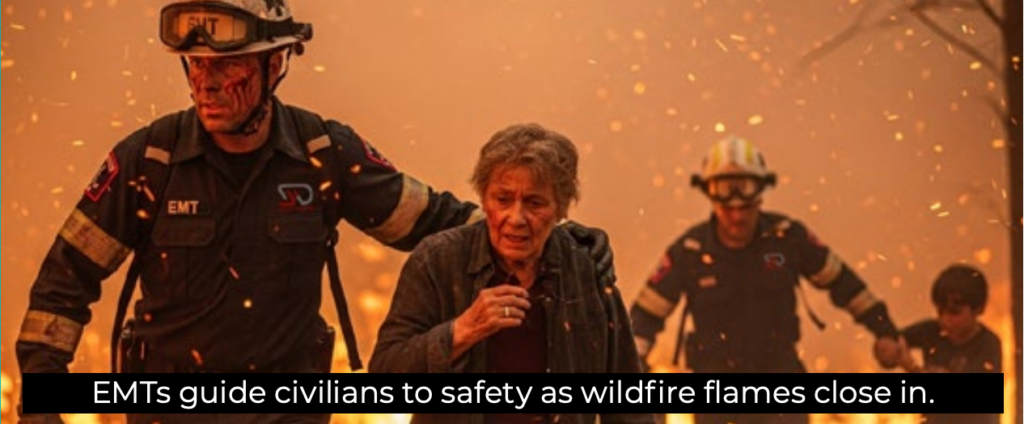
The wildfire season in the United States is getting worse because of higher temperatures, drought conditions, and dry plants. The busiest times are usually from late spring to early fall, which puts more and more stress on emergency response systems. Some states are always at risk. California has the most wildfires, both in terms of number and severity. Texas comes in second, where heat and strong winds make fires spread faster. Extreme desert climates make Arizona and New Mexico always at risk. Colorado and Oregon have a mix of forested land and dry seasons. Wildfires have spread to Washington and parts of the Southeast in the past few years, which means that the risk is now more widespread.
Being ready is still very important as 2026 goes on. Agencies are improving their ability to respond by training, giving out resources, and raising public awareness. For EMS professionals, knowing about these high-risk areas is important for planning deployments and responding quickly.
Wildfire Safety 101: What to Do and Never Do
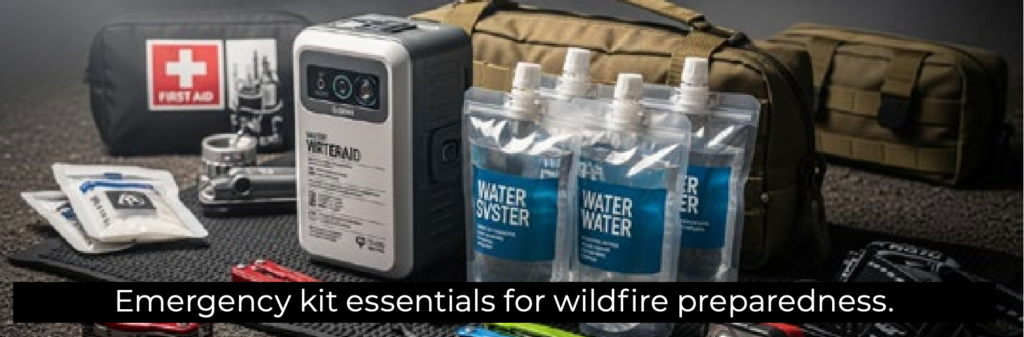
Wildfires can start and spread quickly, and they are often caused by things people do that could have been avoided. Taking simple steps can greatly lower risk and make things safer. Do: Put out all campfires completely and let the ashes cool before you leave; Throw away cigarette butts the right way; Keep vehicles and tools in good shape to avoid sparks; Get rid of dry plants and make a defensible space around homes. Don’t: Set fire to trash when it’s dry or windy; Set off fireworks in areas that are likely to catch fire; Don’t leave open flames alone. When there is an active wildfire, safety should come first. Stay up to date through official alerts, follow evacuation orders right away, and have an emergency kit ready with things like water, medicine, and important papers. If you haven’t left yet, close the windows to keep the smoke out and get ready to leave quickly.
EMS in Wildfires: Frontline Roles & Dangers
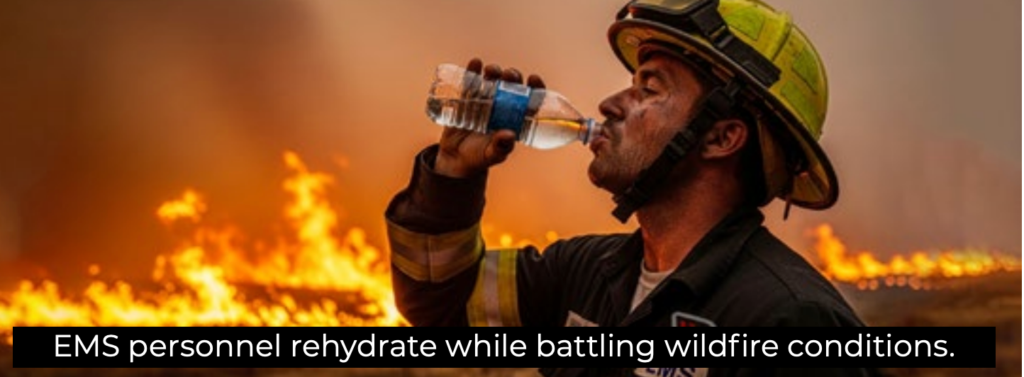
Wildfires make things hard for EMS workers, who are important for both front-line care and large-scale operations. You might have to work as a line medic with fire crews, staff base camps, or help with evacuations and moving patients. Heat-related illnesses, smoke inhalation, breathing problems, burns, dehydration, and injuries from dangerous terrain or evacuation events are all common medical cases. In these cases, you need to quickly assess the situation, stabilize it, and work with transport teams. Responders face health risks that last longer than just emergencies. Long-term exposure to smoke can hurt lung function and heart health, and long deployments can make you more likely to get tired, dehydrated, and mentally stressed. To stay safe, EMS workers must drink enough water, wear the right PPE, and follow the safety rules that have already been set. As wildfire seasons get worse, people on the front lines need to be strong and ready.