Rapid Response Report

EMS news for November 2026

Monthly industry news for EMS professionals. This issue covers National First Responders Day: Honoring Those Who Serve, Texas EMS Leaders Review Priorities for the Year Ahead and Houston Hosts First Responders Expo Focused on Readiness and Innovation, and more.

Story 1 of 5

National First Responders Day: Honoring Those Who Serve
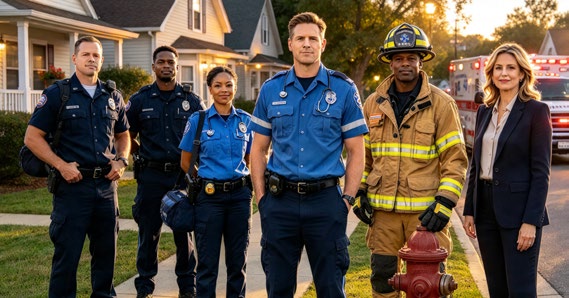
First responders standing together: honoring those who serve and save lives

National First Responders Day was observed across the United States on October 28, recognizing the people who answer emergencies and help communities through their most difficult moments. The observance included emergency medical technicians and paramedics alongside firefighters, 911 dispatchers, law enforcement officers, and other public-safety professionals. For EMS, it was an opportunity to recognize not only dramatic rescues, but also the steady work of assessment, treatment, transport, communication, and reassurance that happens on ordinary shifts.

One of this year’s national recognition events was the Roll Call of Heroes ceremony scheduled for Times Square in New York City on October 28. Organizers announced that the event would honor first responders from several disciplines, including EMS, and would be available to watch online. Community appreciation activities were also planned in multiple locations in the days leading up to the observance.

Recognition matters, but meaningful support goes beyond a single day. EMS personnel face demanding schedules, difficult calls, exposure to traumatic events, and the pressure of making time-sensitive decisions. Agencies and communities can turn appreciation into action by supporting mental-health resources, peer-support programs, training, safe staffing, and the families who share the demands of emergency service.

For the public, the message is simple: take a moment to thank the people who respond when help is needed. For EMS leaders, the day is also a reminder to build workplaces where responders are supported, heard, and equipped to continue serving their communities.
Story 2 of 5

Texas EMS Leaders Review Priorities for the Year Ahead

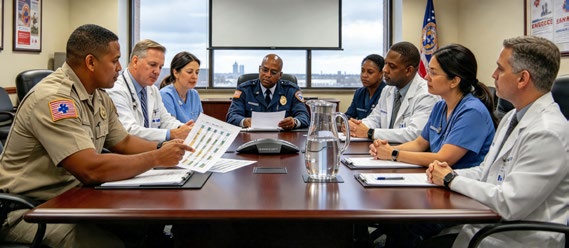
Texas EMS leaders plan for stronger emergency response

Texas’ Governor’s EMS and Trauma Advisory Council held its fiscal-year 2027 strategic planning sessions on October 14 and 15, bringing EMS and trauma-system priorities into focus for the year ahead. The meetings formed part of the state’s ongoing advisory process on emergency medical services, trauma care, and system coordination.

State advisory work can influence the issues that receive attention across the EMS system, from clinical practice and provider readiness to trauma response and public education. For agencies, staying aware of these discussions can help leaders anticipate policy conversations and identify opportunities to share operational experience.

Public meetings also offer a channel for professionals and community members to raise concerns and contribute perspectives. When frontline experience is included alongside system-level planning, recommendations can better reflect the realities of urban, suburban, rural, and frontier response environments.

The planning sessions are one step in a continuing process rather than a single final decision point. EMS leaders should follow published agendas and subsequent updates to understand which priorities advance into further review, guidance, or implementation.

Story 3 of 5

Houston Hosts First Responders Expo Focused on Readiness and Innovation

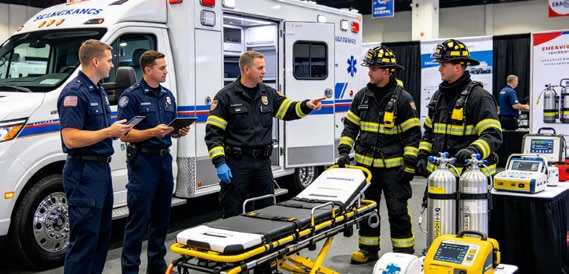
First responders showcasing tools for emergency readiness

Houston hosted the First Responders Expo on October 14 and 15 at the George R. Brown Convention Center. The event brought together the wider emergency-services community around preparedness, response, and the technologies used by professionals who work in demanding public-safety environments.

EMS teams operate within a larger response network, and opportunities to exchange ideas with fire-rescue, disaster-response, and other emergency professionals can strengthen coordination. Shared demonstrations and discussions can help agencies compare approaches to communications, scene safety, equipment readiness, and multi-agency incidents.

Expos also provide a chance to see how tools are presented and evaluated before agencies consider adopting them. The most useful conversations connect innovation to practical questions: Does it improve patient care? Can staff use it reliably under pressure? Will it integrate with existing procedures and training?

For the EMS community, the broader lesson is that readiness depends on people and systems as much as equipment. Interoperability, clear roles, and repeatable training remain essential when multiple agencies respond to the same incident.

Story 4 of 5

Texas Workgroup Reviews EMS Provider and First-Responder Licensing Rules

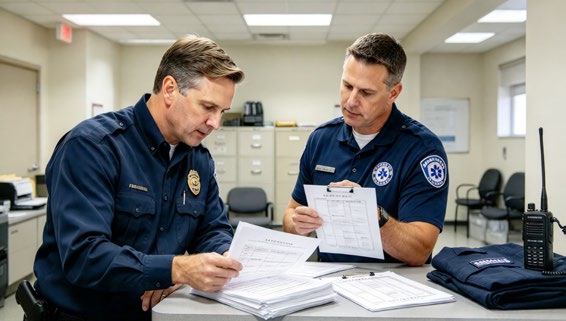
EMS leaders review licensing documents to ensure compliance and readiness

A Texas EMS Committee workgroup met virtually on October 13 to review sections of the Texas Administrative Code concerning requirements for EMS provider licenses and first-responder organization licenses. The agenda also included discussion of items for a future meeting and a public-comment period.

Licensing rules help define the requirements organizations must meet to operate and deliver emergency response services. For agencies, regulatory review is a reminder to keep documentation, policies, training records, and operational practices aligned with current state requirements rather than relying on older procedures.

Workgroup discussions do not automatically mean that a rule has changed. Proposed revisions, formal adoption steps, and effective dates must be confirmed through official state notices. EMS managers should therefore distinguish between a topic under review and a requirement that is already in force.

Following these proceedings can help agency leaders identify upcoming compliance questions early and prepare informed feedback when public input is invited. The official state meeting materials remain the best place to verify the status of any rule or recommendation.

Story 5 of 5

National Recognition to Honor 167 EMS Professionals in Washington

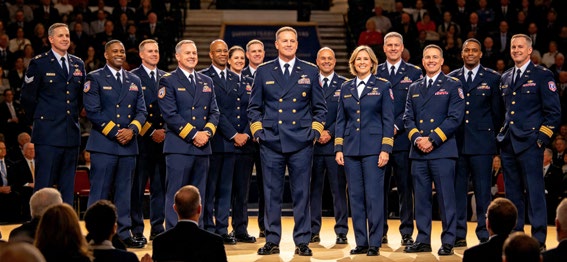
Celebrating EMS heroes and their service

A national recognition event scheduled for November 16–18 in Washington, D.C., will celebrate 167 EMS professionals selected as 2026 Stars of Life honorees. The group includes paramedics, EMTs, dispatchers, and other emergency medical services personnel whose dedication has made a meaningful difference in their communities.

The honorees represent the commitment behind emergency response, from answering critical calls to supporting patients and families during difficult moments. Their stories highlight the skills, compassion, and teamwork required to deliver care when every second counts.

The Stars of Life program also highlights the essential role EMS professionals play in the broader healthcare system. Their work extends beyond emergency scenes, requiring sound judgment, coordination with other healthcare providers, and the ability to reassure people during stressful and uncertain situations.

The recognition offers EMS agencies an opportunity to celebrate their teams and acknowledge the people who help keep services running. Training, equipment readiness, dispatch coordination, and strong teamwork all contribute to effective patient care. Recognizing these efforts can strengthen workplace morale and inspire future generations to pursue careers in emergency medical services.

For the wider community, the event is a reminder that behind every emergency response are professionals committed to helping others. Celebrating their contributions reinforces the importance of supporting and appreciating those who serve when people need help most.

Need EMS crews for your service?

StaffDash places credentialed paramedics and EMTs for 911, interfacility and event coverage. You approve every medic before they start.