
Newsletter
Newsletter
Rapid Response Report
Monthly Industry News for EMS Professionals
New DEA Rule Reshapes EMS Medication Management
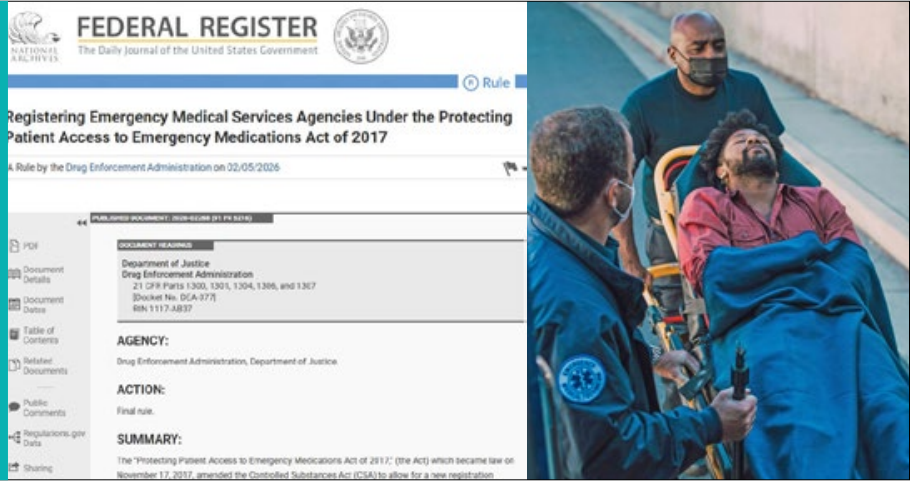
Today, the DEA’s final rule for EMS agencies goes into effect, implementing major changes under the Protecting Patient Access to Emergency Medications Act of 2017. The rule creates a new EMS agency registration category, updates requirements for controlled-substance delivery, storage, and recordkeeping, and clarifies how EMS professionals may administer controlled substances under standing or verbal orders.
These changes impact every EMS agency, public, private, or hospital-based. Many organizations will need to update their operational processes, verify compliance with the new “stationhouse/designated location” definitions, and ensure their controlled-substance recordkeeping meets the updated DEA standards.
Below is a list of some of the changes that go into effect on March 9, 2026. The rule adds definitions for EMS agency, EMS professional, standing order, verbal order, medical director, and related terms. It expands the stationhouse definition and allows vehicles to store controlled substances when “actively in use” or “on call.” It permits EMS professionals to administer controlled substances under standing or verbal orders without the medical director physically present (if permitted by state law). It also allows delivery of controlled substances to unregistered designated locations (stationhouses) after a 30-day notification.
Additionally, the rule establishes detailed requirements for storage, restocking, security, diversion prevention, and chain of custody. It introduces enhanced recordkeeping and inventory requirements, although some administrative burdens were reduced from the proposed rule. The regulation also defines procedures for loss and discrepancy reporting, as well as the disposal of controlled substances. Finally, it clarifies the responsibilities of medical directors and authorizing medical professionals within EMS operations.
EMS Week 2026: Celebrating Frontline Responders
May 17–23, 2026
Not for bravery, but for humanity, every EMS professional has a call they will never forget. A stranger who trusted the people who answered the call, a grandma who consoled until relatives came, or a youngster whose breathing finally stabilized.
These incidents define the real impact of emergency medical services, although they seldom make headlines. Vital signs are only one aspect of EMS success; other outcomes include patients returning home, families remaining together, and communities feeling safer knowing that assistance is always on the way.

Today’s EMS personnel bring cutting-edge skills and innovation directly to the field, often making a crucial impact before a patient even arrives at the hospital. These talents range from early stroke recognition and prehospital ultrasound to whole-blood transfusions and shifting models of care.
Communities throughout will honor the commitment, bravery, and empathy of EMTs, paramedics, dispatchers, and emergency medical teams that work on the front lines every day during EMS Week 2026 (May 17–23).
It’s an opportunity to commemorate the individuals behind the patch and reaffirm a common commitment to improving results together.
Provincetown Boat Carbon Monoxide Incident
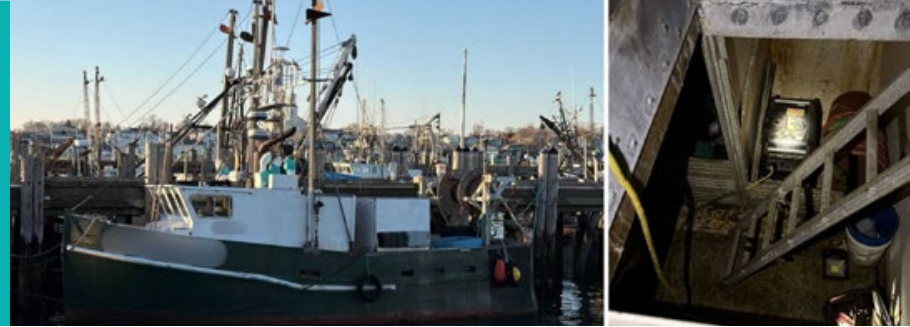
Following a carbon monoxide incident on a boat at MacMillan Pier in Provincetown on February 26, eight individuals received treatment at Cape Cod Hospital. Just before 6 p.m., police discovered two people unconscious, and emergency responders promptly removed them. The responses were also assessed because of the possible risk of exposure.
A Mass Casualty Incident was declared because there were more patients than ambulances available, and nearby towns Truro, Wellfleet, and Eastham provided further assistance.